3 Ways Technology Will Shift the Arts Sector in 2026
Posted by Jeni Barton
Published on January 7, 2026
As I made the rounds at holiday parties this year, chatting with friends and family, one topic came up almost everywhere: artificial intelligence. Between the sparkling lights and the eggnog refills, people were sharing their concerns about the future. It seems Scrooge may have a new spirit to fear.
When emerging technology goes wrong, it makes headlines. While it is necessary to understand the harms of the tech we embrace, it is just as important to know how it helps. That part of the story rarely makes the news.
At a recent event, Haben Girma, author of “Haben: The Deafblind Woman Who Conquered Harvard Law,” noted that preparing a website for AI-driven search also makes the site more accessible for people with disabilities. Preparing for AI, in other words, quietly transforms access for those who depend on assistive technology.
As we begin a new year and imagine what comes next, here are three ways emerging technology, such as AI and augmented reality, might shift the arts sector in 2026. And because we could all use a little optimism, I have included something positive about each one.
1. How people write about the arts is changing.
Let’s start with the obvious.
Generative AI is already woven into the arts ecosystem. Marketing teams use it for early drafts of emails or social posts. Development staff use it to sketch out grant narratives or letters to donors. As arts organizations continue to incorporate generative AI tools into their workflows, it will move beyond a first-draft tool toward real task automation. We will see an increase in generative AI agents that work more like assistants.
AI can save time on repetitive tasks, providing breathing room to focus on creative work. Many arts organizations are stretched thin. Even a small amount of time saved each week can make a big difference, especially when people spend more time on the work they love, reducing the risk of burnout.
Generative AI can also help smaller organizations and individual artists who cannot afford to work with professional grant writers, removing a potential barrier to applying for funding. More grant writing means more artists creating and sharing their work with the world.
2. How people find the arts is changing.
The days of searching the Internet by typing a few words into a search box are on the decline. Today’s users ask questions like, “What should I do this weekend,” “What’s a good show for my family?” or “What arts events are happening near me tonight?”
AI-generated summaries answer those questions before a person even has the option to click on your link.
AI-powered search relies on clear, structured information. That means details like event listings, descriptions and locations matter more than ever. The shift toward this new model has big implications for both discoverability and accessibility. The better we structure information with clear sitemaps, alternative text, subtitles, schema and thoughtful descriptions, the more accessible it is for everyone.
There’s another bonus: Better structured information gives arts organizations more control over how their story is told. Instead of a list of disconnected links, visitors can find a conversational summary reflecting the organization’s mission in their own words.
3. How people experience the arts is changing.
The word “metaverse” may be fading, but digital storytelling and digital placemaking are alive and thriving.
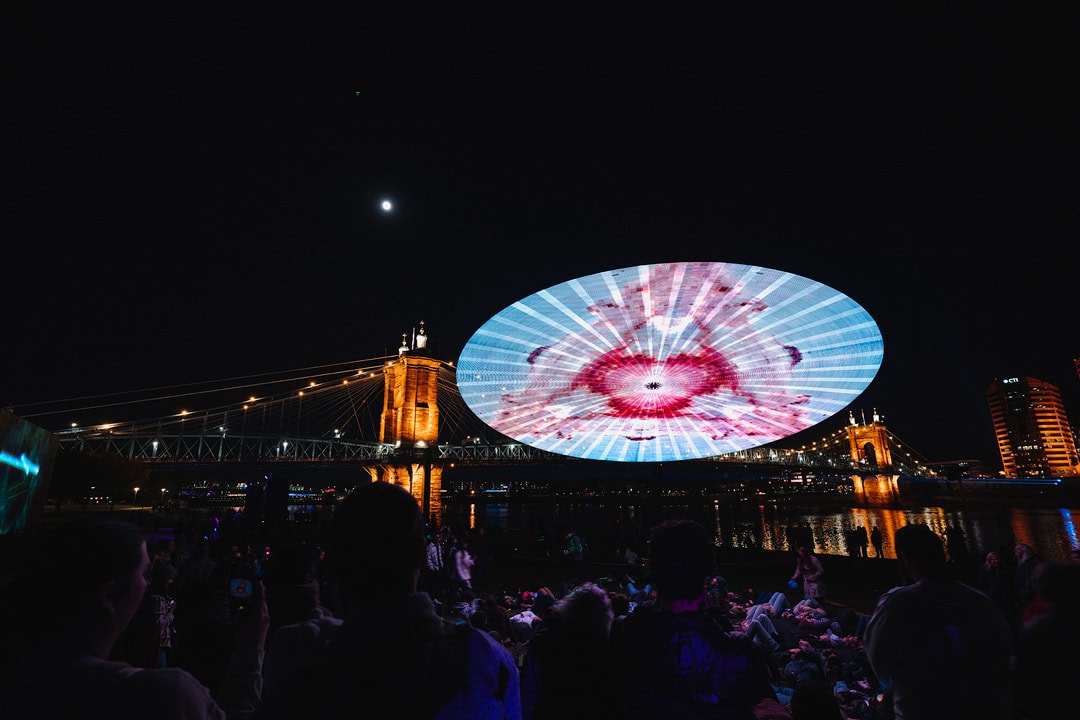
Augmented reality (AR) lets artists and organizations layer digital stories, sounds and visuals over physical spaces. Imagine a mural that starts to move and tells its own story. Imagine meeting a character from a play while waiting in the theater’s lobby. These experiences add a sense of wonder to familiar spaces, helping audiences engage with art in new ways.
Digital installations use technology to amplify our connection to place and to each other. They can highlight human stories and invite us to see our neighborhoods with fresh eyes, making us more rooted in our communities through shared knowledge and experiences.
As AR tools become easier to use and more common, we will see growing demand for designers who can build interactive experiences for museum exhibitions, public art and community events. Technology is often seen as a way to escape the real world. This trend reminds us that it can also give us new ways to experience the world around us.
The arts have always adapted to new tools and ideas, using them to tell more engaging stories. With the rate and scale at which technology changes the way we work, 2026 will require research and contemplation as we balance the good and bad of the new tech we adopt.
To that end, ArtsWave is introducing a monthly Arts and Tech column to explore these topics in more depth over the next few months. We will look at the benefits, challenges and practical ways arts organizations can experiment responsibly. If nothing else, we’ll keep giving you optimistic talking points for the next time technology comes up at a party.
 Inspiring A Collaborative, Creative Future for Cincy's Arts
 Finding Fascination: My Journey to (and through) the Arts