A Safety Town for AI
Posted by Jeni Barton
Published on July 29, 2026
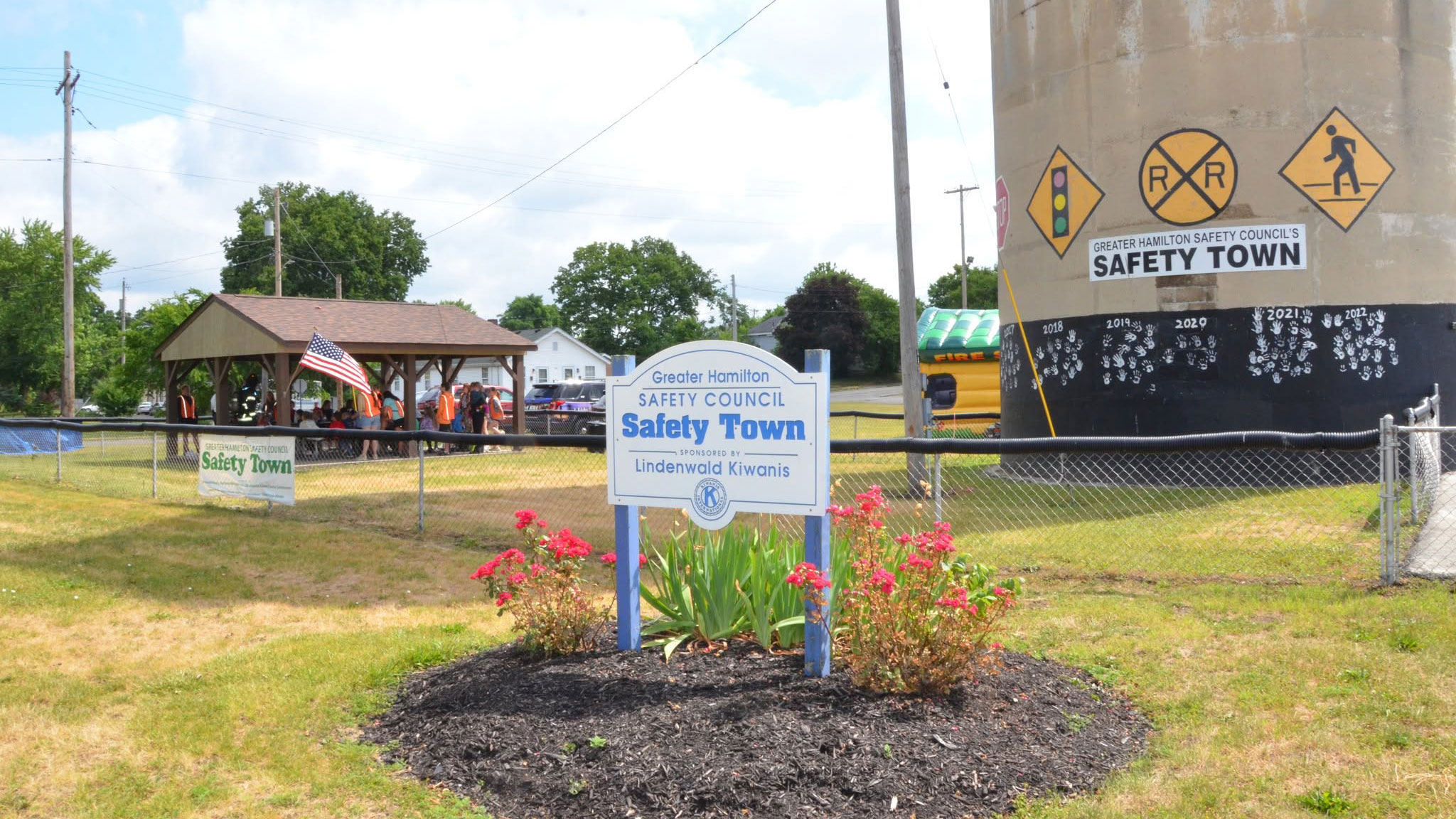
When I visit Hamilton, OH, I often drive by an adorable obstacle course. It’s a series of tiny streets and signs designed for preschool children called Safety Town. While it will be another decade before the participants get behind the wheel of a car, it’s important that they understand how to safely navigate a world where cars exist. Even if they choose to never drive, they’ll still need to know how to interact with vehicles as pedestrians.
We live in a world with AI (and self driving cars). AI is everywhere, and I don’t just mean in the news. If you use Microsoft, Adobe or Google products, it’s there. When you use your face to unlock your phone, use mobile banking or watch Netflix, you’re using AI. It’s becoming more and more difficult to go through the day without using some form of AI, often without even realizing you’re engaging with it.
Big Reputation
It’s also, as I mentioned, everywhere in the news. AI has a pretty bad reputation right now, and much of it is well deserved. In particular, large language models like ChatGPT and Claude. While these models dominate headlines because of questions around how they were developed or the business practices behind them, other forms of AI slip into our lives almost unnoticed. It’s as if generative AI is what people mean when they say “AI,” leaving every other form of AI out of the conversation. I watched this play out recently when someone told me they were morally opposed to using any form of AI, then used their face to unlock their phone, unaware that doing so was using an AI feature.
It’s understandable to be upset by AI and morally opposed to its use. That’s especially true in the arts sector, where the biggest conversations center on the use of artists’ work to train generative AI models without permission or compensation, along with the loss of creative jobs. As someone who has two close friends who recently lost their jobs as photo editors for major fashion brands to AI, I can verify that this threat is real, and it is happening now. While these issues are primarily tied to generative AI tools, they can make it difficult for arts organizations and artists to have meaningful discussions about adopting non-generative AI tools, even the ones that directly benefit people.
AI and Accessibility
For example, assistive technology has been a tremendous boost for accessibility. AI tools such as live captioning, speech to text, screen readers and predictive text have greatly improved access to the arts and the world. These tools are often optimized to run directly on a phone or computer, sometimes entirely offline. Because they’re performing a narrow task rather than generating paragraphs or images from enormous models, they require far less computation and, therefore, much less energy.
These tools are also designed to perform a specific function and were not trained on existing artworks. Instead, they were trained on speech recordings, accessibility datasets, images of everyday objects, navigation scenes, handwriting samples and other public or licensed datasets. The more arts organizations adopt assistive technology, the more accessible the arts become for everyone.
When we leave room for the nuances and possibilities of different AI tools, we begin to build performances and exhibitions that are just as rich and exciting for people who use assistive technologies, rather than treating accessibility as an afterthought or a translation of the primary experience. If we take a one-dimensional view of AI and lump these tools together, we risk missing that opportunity.
The Other AI Risk
When arts organizations avoid talking about AI because they don’t want to upset stakeholders or partners, they create a different kind of risk. Their moral and safety guidelines around AI end up being established by individual employees, as some adopt AI tools and others avoid them altogether. That inconsistency can create workflow challenges and friction between staff. Establishing organizational guidelines allows leaders to say that assistive technologies and AI tools that support business functions are acceptable, while generative AI for imagery or creative writing may not be. Every organization will draw that line differently based on its mission and values.
Safety Town isn’t trying to turn preschoolers into drivers (thankfully). It’s teaching them how to safely navigate a world where cars already exist. AI literacy serves the same purpose. Whether you decide to embrace AI, limit its use or avoid it whenever possible, you still need to understand what AI is, where it’s already part of everyday life and how to engage with it thoughtfully. You don’t have to get behind the wheel, but you do need to know when it’s safe to cross the street. The worst-case scenario is that the only ones who understand AI are the ones who created it.
Jeni Barton is Director, Digital Products at ArtsWave.
Photo used with permission of Greater Hamilton Safety Council.