Truth & Inspiration: The Ripple Effect of Creative Investment
Posted by Michael Thompson
Published on June 2, 2026
In the fall of 2021 I was a recent graduate living in Clifton. My small bedroom was mostly filled with paintings and sculptures from university, piled in the corner. I was nearing the six month mark of my supposed gap year in which I had planned on living in the city before going off to get a graduate degree. My thought process at the time was that I would spend a year building up my portfolio in order to potentially get into a graduate program and set me on the track to become a professional artist.
Being from a small town in Central Kentucky, there were not many examples of how to “make it” in the world as an artist. I decided that the best way to find out would be to ask firsthand. I reached out to some of the current rising artists in the Cincinnati art scene, asking where to look and what to do. After one of those connections landed me a summer job as a teaching artist with ArtWorks (now 1001 Colors), I figured that I had at least a few months to figure out how to be an artist before I had to get a “real job”. Three of the artists that I had talked to: Gee Horton, Michael Coppage, and Brent Billingsley had all been involved in a unique grant program which not only funded their creative projects, but culminated in a showcase at the National Underground Railroad Freedom Center. The grant funded artwork and community engagement; two things which I had always wanted to do, but was not sure how to make coexist as a career.
ArtsWave’s Inspire Grant (then the Black and Brown Artist Grant), which had funded these projects, was about to open for its second year after huge successes in 2021. With my gap year running out, I figured I should at least throw my hat into the ring. Little did I know that project would become one of the launch points for what has now been an extremely eventful five years. I applied for the grant with a project called “Sanctuaries,” an ethnography project interviewing BIPOC creatives on sacred spaces in their lives and creating a body of paintings inspired by their environments. Months after applying, I received an acceptance email that I would be part of the next cohort and that my work would be funded. I remember literally jumping up and down with total disregard for my downstairs neighbors, feeling like I had just hit the lottery.
Due to the format of the program; including funding, professional development, and a public showcase, that work eventually went on to be a part of a group exhibition at the Cincinnati Art Museum, and during the process I got accepted to give a TEDxTalk about the work at the University of Cincinnati. But more importantly, I remember driving home from one of the interviews and feeling for the first time, “this is what it really means to be an artist.” It was becoming evident to me that as much as art was about the creative act, it was just as much about the people and stories.
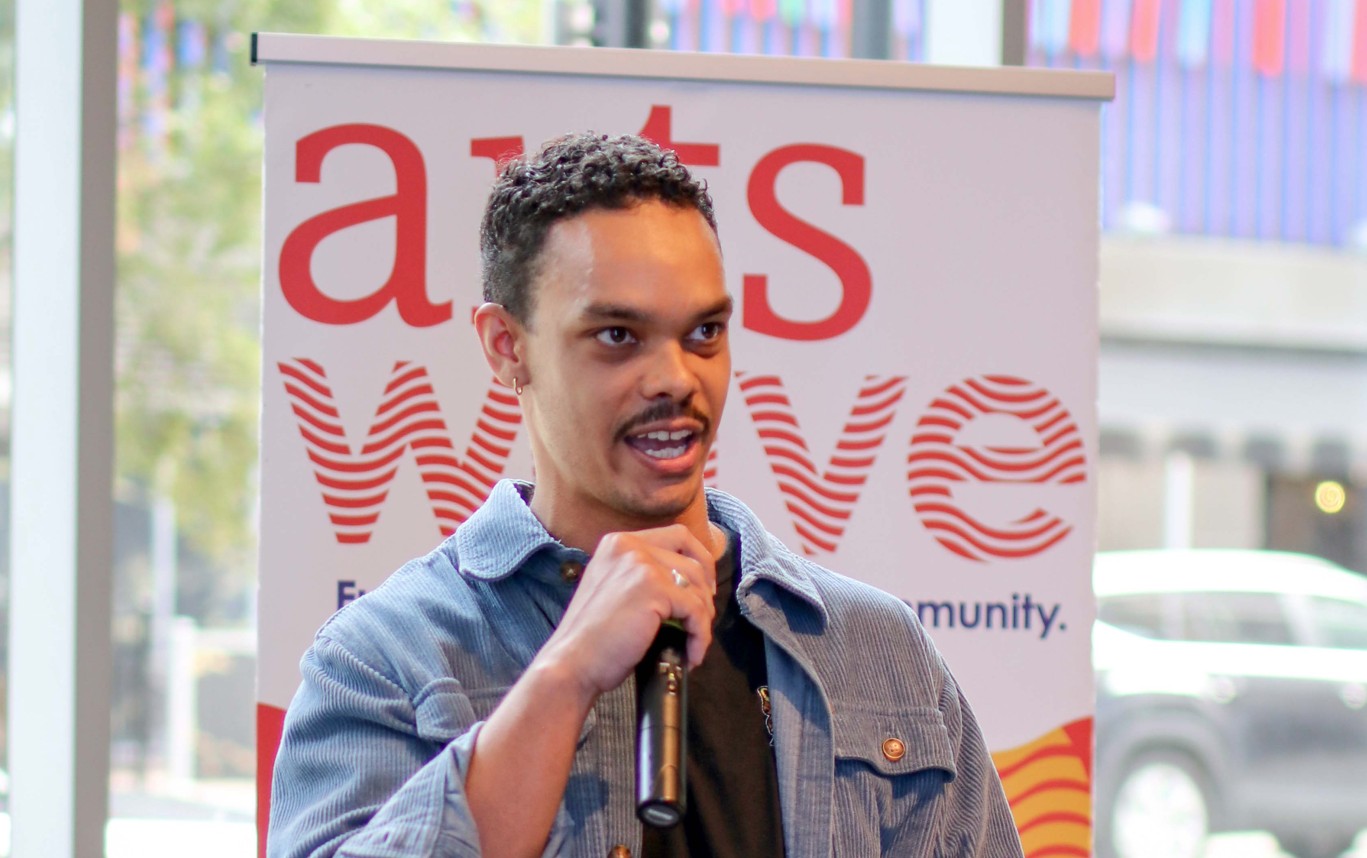
Two years later, after having received the grant again I was carving out my own pathway and creative voice. I was asked to come on as a consultant to help produce the showcase and assist the current grantees with project development. After an unexpected opportunity arose, I quickly went from being a grantee to consultant, to the Program Coordinator and Curator. In 2026, in my third year since I joined the team, I have got a front row view on the upper limit of potential when you put money in the hands of creatives. I have gotten to talk to and work with artists like
Rebecca Nava Soto, who was a part of that original cohort in 2021 and has now returned 5 years later for her project “From Our Land to Our Land”. I have also gotten to work with many first time grantees, including those in our “Emerging Artists” cohort, which has allowed me to deepen and contextualize the needs and talents of artists just beginning their professional journey.
I imagine that nearly 100 years ago when the Taft family started what is now known as ArtsWave, this is the type of program that they envisioned would eventually come to life. Over the past half decade as Cincinnati has grown more prominent in the national arts scene and as a creative hub, I am confident that this program and the artists who have benefited from it are one of the foremost reasons why. I’ve watched grantees preserve oral histories, compose albums, and transform spaces. Artists from this program have gone on to have museum shows, become professors and program directors, make the Forbes 30Under30 list, earn NAACP Image Award Nominations, become nationally and internationally recognized, and generally create works that I believe will eventually help define this era of contemporary artwork.
As an artist, this program has given me the insights, connections, and funding that helped me realize the first steps of my potential and experience the ecosystem of creatives, institutions, and patrons who work in tandem to make our city so special. As a coordinator, it has allowed me to have a macro view of our neighborhoods and communities, while experiencing both the minutia and vision of what it takes to make public arts happen. Most importantly, I get to learn and work intimately with my artistic peers whom I admire so much. As Cincinnati grows, my hope is that we will invest even more in local talent and expand equitable funding to visionaries around The Queen City. Five years ago, I applied for a grant hoping it might help me become an artist. What I found instead was a community, a career, and a deeper understanding of what creative investment can make possible. I’m thankful that I live in a place where inspiration is bountiful and rewarded, and that I get to be a part of the story.
Michael Thompson is a Cincinnati-based artist, ArtsWave Inspire Grant recipient and curator of the 2026 Truth & Inspiration Artist Showcase. His work explores the intersection of art, community, and creative investment, and reflects the impact of supporting local artists across our region.